
"Nicaragua coffee industry"
1000 article(s) found
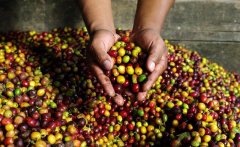
History of coffee cultivation in Nicaragua an introduction to the current situation of coffee industry in Nicaragua
Communication of professional baristas follow Coffee Workshop (Wechat official account cafe_style) Coffee was introduced to Nicaragua by Catholic missionaries in 1790 and was originally grown out of curiosity, but it was not until around 1840 that coffee cultivation began to receive attention because of the growth in global demand for coffee. In 1840 and 1940, the coffee industry had a great impact on the Nicaraguan economy.

Aromatic and Delicious Moderate Nicaragua Coffee Flavor, Character, Taste and Manor
Nicaragua: Nicaragua coffee flavor characteristics: moderate acidity, aromatic and delicious. Nicaragua coffee enjoys a reputation for being one of the best quality coffee beans in the world. It has moderate particle size, mild taste and a strong aroma. Nicaragua is located in central Central America, bordered by the Pacific Ocean to the west and the Caribbean Sea to the east. North central for the highlands, eastern coastal plains, a Central American

Nicaraguan Coffee Taste Nicaraguan Coffee flavour Nicaraguan Coffee Manor
Nicaragua: Nicaraguan coffee flavor characteristics: moderate acidity, fragrant and delicious. Nicaraguan coffee of high quality is in the forefront of coffee beans in the world and enjoys a good reputation. Its particles are moderate in size, mild in taste and very aromatic and mellow. Nicaragua is located in central Central America, bordered by the Pacific Ocean to the west and the Caribbean Sea to the east. The highland in the north and the coastal plain in the east, belonging to Central America.

Development of Joy Manor in Nicaragua Coffee Manor in the country where washed Arabica beans are produced
In Nicaragua, the coffee industry provides 200000 of the country's jobs, and coffee beans are the country's most economically valuable crop, accounting for 20% of the country's total exports. The low price of coffee season has hit all the countries that produce washed Arabica beans, but the pain seems to be even more magnified in Nepal, where many diversified coffee-producing countries, such as Costa Rica, have suffered from the coffee industry.

Fragrant and delicious moderate Nicaraguan coffee variety characteristics taste introduction to boutique coffee beans in manor
Nicaragua: Nicaraguan coffee flavor characteristics: moderate acidity, fragrant and delicious. Nicaraguan coffee of high quality is in the forefront of coffee beans in the world and enjoys a good reputation. Its particles are moderate in size, mild in taste and very aromatic and mellow. Nicaragua is located in central Central America, bordered by the Pacific Ocean to the west and the Caribbean Sea to the east. The highland in the north and the coastal plain in the east, belonging to Central America.

Very aromatic and mellow Nicaraguan coffee introduces Santo Domingo coffee
Nicaragua is now one of the poorest countries in Central America. Due to its poor economic foundation, the coffee industry is still relatively backward, while coffee farmers are in extreme poverty. Fortunately, Nicaraguan coffee has received some foreign aid funds to improve the quality of its coffee. Coffee from Madagelba, Sinodega and Segovia in Nicaragua

The new Nicaragua
Just when the boutique coffee market was booming in the United States in the 1980-90's, the US government imposed an embargo on the Sandinista regime in Nicaragua, so Nicaraguan coffee would not appear on the display shelves of American coffee shops.

A brief introduction to the cultivation of fine coffee beans in Tianqi Manor with moderate particle size, geographical location, climate and altitude.
When tasting Nicaraguan coffee, it is best to drink cold water first, so that you can better feel its mellow taste. Drink coffee while it is hot, because the tannins in Nicaraguan coffee are easy to change during cooling, and the taste becomes sour, which will affect the flavor of the coffee. You can add the right amount of sugar, and then add cream. Enjoy a cup of high quality Niga

A brief introduction to the description of the flavor, taste and aroma characteristics of fine coffee beans in Tianqi Manor with moderate acidity
Nicaraguan coffee of high quality is in the forefront of coffee beans in the world and enjoys a good reputation. Its particles are moderate in size, mild in taste and very aromatic and mellow. Nicaragua is located in central Central America, bordered by the Pacific Ocean to the west and the Caribbean Sea to the east. The highlands in the north and the coastal plains in the east are part of the Central American volcanic belt. The eastern plain is high-temperature and rainy, with a tropical maritime climate. Suitable

Nicaragua Tianci Manor Coffee Flavor Description Fine Coffee Bean Taste Introduction
Nicaragua is now one of the poorest countries in Central America. Because of its poor economic base, the coffee industry is still in a relatively backward state, while coffee farmers are in an extremely poor state. Fortunately, Nicaragua's coffee has received some foreign aid funds to improve the quality of its coffee. Nicaragua's Madagerba, Chinodega, Segovia region of coffee

Nicaragua Coffee Estate Introduction Nicaragua Coffee Flavor Taste Providence Estate
In many countries coffee production is severely affected for political reasons. The coffee industry in Nicaragua is no exception. The revolution of 1979 forced coffee growers to flee to Miami. A period of uncertainty ensued as the government considered whether to reallocate land (including many plantations), resulting in a shortage of coffee supplies and a decline in production from the early 1970s.

Moderate particle size Nicaragua coffee estate production flavor characteristics Introduction Providence estate
Nicaragua is now one of the poorest countries in Central America. Because of its poor economic base, the coffee industry is still in a relatively backward state, while coffee farmers are in an extremely poor state. Fortunately, Nicaragua's coffee has received some foreign aid funds to improve the quality of its coffee. Nicaragua's Madagerba, Chinodega, Segovia region of coffee

Nicaragua Coffee Flavor Description Grind Characteristics Variety Producing Area Price Treatment Method
Nicaragua is now one of the poorest countries in Central America. Because of its poor economic base, the coffee industry is still in a relatively backward state, while coffee farmers are in an extremely poor state. Fortunately, Nicaragua's coffee has received some foreign aid funds to improve the quality of its coffee. Nicaragua's Madagerba, Chinodega, Segovia region of coffee

A brief introduction to the treatment method of grinding degree and baking degree of fine coffee beans in Happy Manor with mediocre and soft flavor
In many countries, coffee production will be seriously affected for political reasons. Nicaraguan coffee industry is no exception. The 1979 revolution forced coffee planters to flee to Miami. A period of indecision followed, when the government considered whether to redistribute land (including many plantations), which led to a shortage of coffee and a decline in production since the early 1970s

An introduction to the Historical Origin of Coffee Bean Flavor in Nicaragua
Following Cafe (official Wechat account vdailycom) found that the Cafe Beautiful opened a small shop of its own that was brought to Nicaragua by Catholic missionaries in 1790 and was originally grown just out of curiosity. It was not until about 1840 that coffee cultivation began to receive attention due to the growth of global demand for coffee. The first commercial planting area in the country is around Managua. Pass

The challenge of developing coffee industry in Nicaragua
According to official sources, Nicaragua will convene an international research conference on the 18th to examine the various challenges faced by the country's coffee industry. The local official media reported that this activity, named the first international competition of "the Challenge of the Coffee Industry," will invite experts from Brazil and Guardia to participate. According to official statistics, Nicaragua in the last harvest year (201)

Moderate acidity, fragrant and delicious lemon tree manor in central Central America in Nicaragua
Nicaragua is now one of the poorest countries in Central America. Due to its poor economic foundation, the coffee industry is still relatively backward, while coffee farmers are in extreme poverty. Fortunately, Nicaraguan coffee has received some foreign aid funds to improve the quality of its coffee. Coffee from Madagelba, Sinodega and Segovia in Nicaragua

Nicaraguan Coffee Manor Tianyi Manor introduces Matagalpa producing area
As a result, the overall revenue of coffee farmers in our country has been reduced by US $1 million, which has a direct impact on the livelihood of about 30, 000 coffee farmers, especially in the growing areas. For Nicaragua, the overall coffee industry is depressed, which has a great impact on the country. In Nicaragua, the coffee industry provides 200000 of the country's jobs, and coffee beans are the country's most economically valuable crop, accounting for the country's exports.

A brief introduction to the description of the flavor, taste and aroma of coffee beans in Happy Manor
Nepalese coffee cultivation and production has a unique environment, the spread of fertile volcanic ash soil, coupled with shade planting methods, to establish a good production quality, Nepalese coffee has a rich mellow and fragrant taste, moderate acidity and a good sense of balance of bitter taste, which is regarded as top grade in the eyes of international coffee experts. Nicaragua coffee flavor characteristics of Nicaraguan coffee:

Nicaraguan Coffee Flavor Manor production area introduces Joy Manor
In February this year, I joined a delegation of Nicaraguan coffee buyers. Over the past nine years, I occasionally visited the coffee-producing areas of Nicaragua, but this time, I felt the sinister impact that the Nicaraguan coffee industry is facing. The persistently depressed coffee prices have a serious impact on the Nepalese economy, but even with such obstacles, people in this place still hold.